-


href="/products/the-cross-in-the-mountains-by-caspar-david-friedrich-1812-museum-quality-oil-painting-classical-wallart-print-home-decor-housewarming-gift" id="StandardCardNoMediaLink-template--25952947929353__product-grid-15548691775753" class="full-unstyled-link" aria-labelledby="StandardCardNoMediaLink-template--25952947929353__product-grid-15548691775753 NoMediaStandardBadge-template--25952947929353__product-grid-15548691775753" > The Cross in the Mountains (1812)
The Cross in the Mountains (1812)
Museum Quality Oil Painting, Classical WallArt Print home decor Housewarming Gift24,99€49,99€(50% off) -

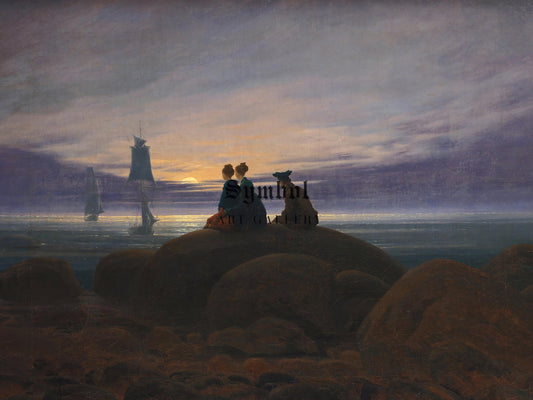
href="/products/moonrise-over-the-sea-by-caspar-david-friedrich-1822-museum-quality-print-classical-art-home-deco-wallart-poster-housewarming-gift" id="StandardCardNoMediaLink-template--25952947929353__product-grid-15548628697353" class="full-unstyled-link" aria-labelledby="StandardCardNoMediaLink-template--25952947929353__product-grid-15548628697353 NoMediaStandardBadge-template--25952947929353__product-grid-15548628697353" > Moonrise (1822)
Moonrise (1822)
the Sea by Caspar David Friedrich
Museum Quality Print, Classical art home Deco Wallart Poster Housewarming Gift24,99€49,99€(50% off)


