Abstract Expressionism emerged in the United States in the late 1940s, becoming the dominant trend in Western painting during the 1950s. Centered in New York City, the movement marked the first American art movement to achieve international influence, shifting the Western art world’s center from Paris to New York.
The term was first applied to American art in 1946 by critic Robert Coates, though it originated in Germany in 1919 to describe German Expressionism. Jackson Pollock, Willem de Kooning, Franz Kline, Mark Rothko, and Lee Krasner were among those associated with the New York School.
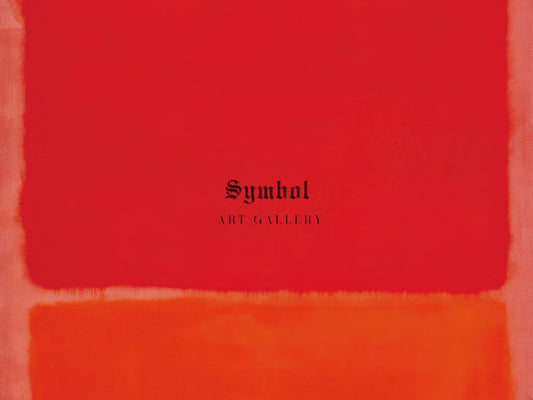
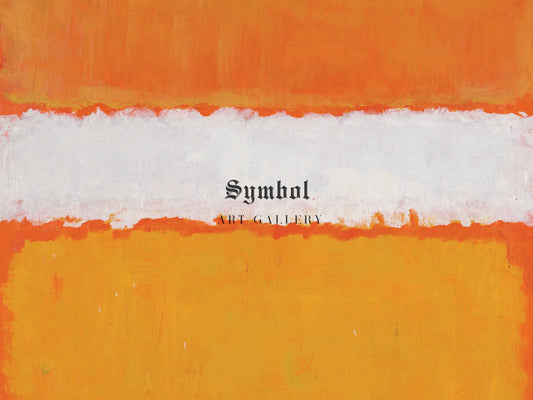
The movement included two main approaches: "Action Painting", where artists like Pollock used drip techniques and gestural brushwork, and "Color Field Painting", where Rothko’s layered rectangles of color aimed to evoke emotional responses. Influenced by Surrealist automatism, European avant-garde movements such as Synthetic Cubism, and German Expressionism, Abstract Expressionism treated the physical act of painting as an extension of the artist’s subconscious. Pollock’s "City Landscape" (1955) and Rothko’s color fields demonstrate the movement’s rejection of representational form.
Abstract Expressionism’s cultural dominance declined by the early 1960s, as movements like Pop Art and Minimalism gained prominence. Its legacy continued in later developments, including Tachisme in Europe and Neo-Expressionism in the 1970s and 1980s. Critic Harold Rosenberg described the canvas as an arena for unmediated action, while Clement Greenberg’s institutional support solidified its place in art history. The shift of artistic authority to New York redefined the global art hierarchy, establishing the city as the postwar epicenter of modernism.