Collection: Barbizon School

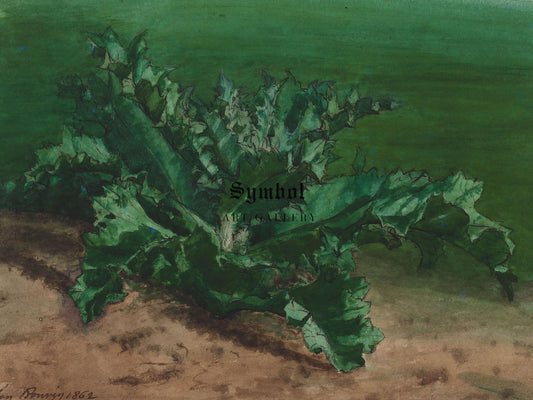
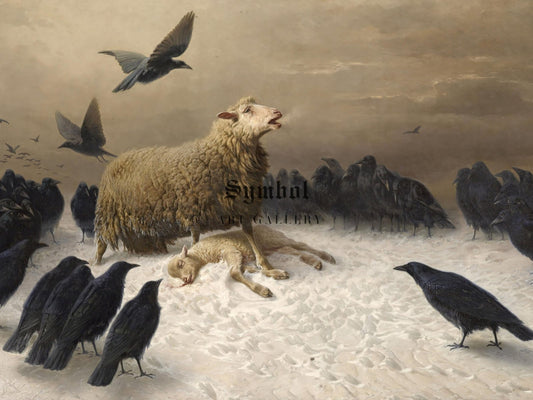
The Barbizon School was a French landscape painting movement active between approximately 1830 and 1870, centred on the village of Barbizon on the western edge of the Forest of Fontainebleau. The group treated direct observation of rural France, peasant labour, and woodland atmosphere as its central subject, breaking with the studio-composed classical landscape that had dominated French painting since the seventeenth century.

The principal painters were Théodore Rousseau, Jean-François Millet, Charles-François Daubigny, Jean-Baptiste-Camille Corot, Jules Dupré, Constant Troyon, and Narcisse Virgilio Díaz. Millet's The Gleaners and The Angelus made peasant labour into ambitious figure painting that anticipated the social engagement of full Realism. Daubigny's river paintings, often executed from a floating studio on the Seine and the Oise, prepared the ground for Impressionist plein air practice a decade later. Henri Harpignies, Albert Charpin, François-Louis Français, Charles Jacque, and Émile van Marcke worked within the wider field.

John Constable's 1824 Paris exhibition gave the school its initial English impulse to abandon studio formalism. The school later influenced the Impressionists and Vincent van Gogh, who copied Millet's compositions late in his career.