Pavel Tchelitchew was born on 21 September 1898 in Kaluga, Russia, into a privileged family with artistic ties. He studied at the University of Moscow from 1916 to 1918 before relocating to Kyiv to avoid the Revolution, where he trained under Alexandra Exter at the Kyiv Academy.
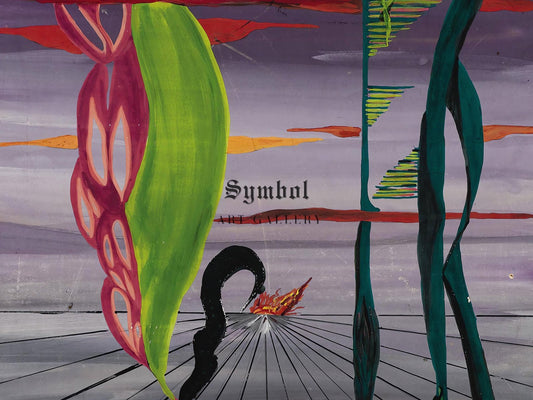
His early work combined Cubist and Futurist elements with vivid color. By 1920, he moved to Odesa, designing theater sets, and in 1921 settled in Berlin, supporting himself through stage design while painting still lifes, portraits, and figures.
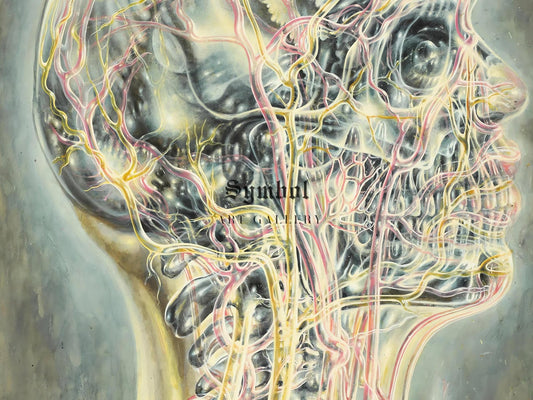
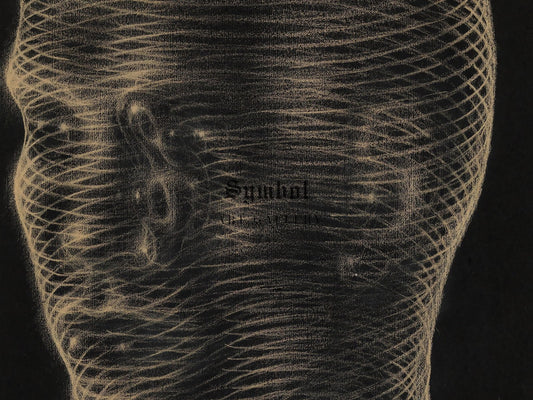
In 1923, Tchelitchew relocated to Paris, where his work shifted toward Surrealism, blending anatomical studies with geometric and landscape motifs. His portraits, such as "Gertrude Stein" (1930), often dissolved human forms into layered, transparent structures. By 1934, he moved to the United States, where his later works, including "Head IV" (1950), explored inner biological landscapes through intricate, luminous compositions. His set designs for George Balanchine’s ballets, including "Ode" (1928) and "Errands into the Maze" (1947), integrated his visual language with choreographic movement.
Tchelitchew became a U.S. citizen in 1952 and spent his final years in Italy, dying in Frascati on 31 July 1957. His work, initially overlooked, gained recognition in the mid-20th century for its fusion of Surrealism and anatomical abstraction, influencing later artists in the Neo-Romantic and Magic Realist movements. His paintings are held in collections including the Art Institute of Chicago and the Victoria and Albert Museum.