-
Achilles Discovered
Ulysses and Diomedes by Peter Paul Rubens
Wall Art Print, Fine Art Reproduction, Museum Quality Decor, Poster24,99€49,99€(50% off) -
The Meeting of Abraham and Melchizedek (1626)
Wall Art Print, Fine Art Reproduction, Museum Quality Decor, Poster24,99€49,99€(50% off) -
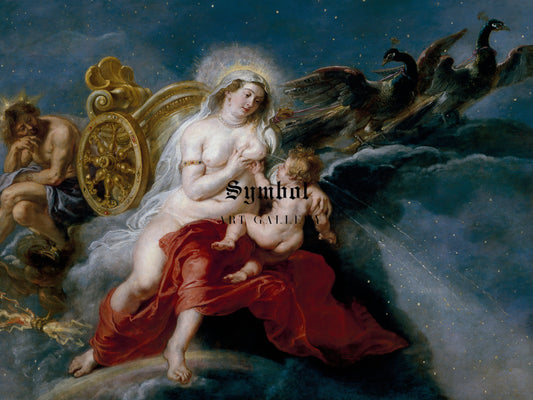
The Origin of the Milky Way (1636)
Wall Art Print, Fine Art Reproduction, Museum Quality Decor, Poster24,99€49,99€(50% off) -
The Feast of Achelous (1615)
Wall Art Print, Fine Art Reproduction, Museum Quality Decor, Poster24,99€49,99€(50% off) -
Tereus Confronted with the Head of His Son Itylus (1636)
Wall Art Print, Fine Art Reproduction, Museum Quality Decor24,99€49,99€(50% off) -
The Miracles of St. Francis Xavier (1617)
Wall Art Print, Fine Art Reproduction, Museum Quality Decor, Poster24,99€49,99€(50% off) -
Marchesa Brigida Spinola Doria (1606)
Wall Art Print, Fine Art Reproduction, Museum Quality Decor, Poster24,99€49,99€(50% off) -
Hearing (1617)
Wall Art Print, Fine Art Reproduction, Museum Quality Decor, Poster24,99€49,99€(50% off) -
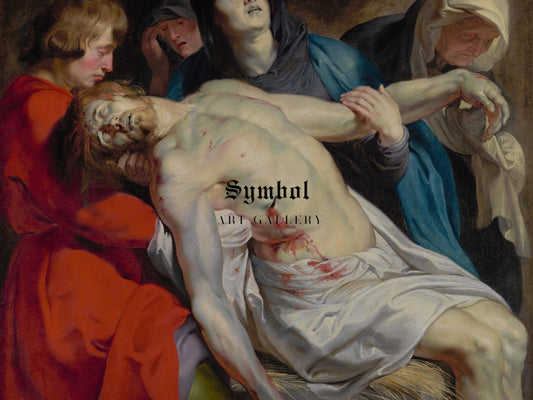
The Entombment (1612)
Wall Art Print, Fine Art Reproduction, Museum Quality Decor, Poster24,99€49,99€(50% off)