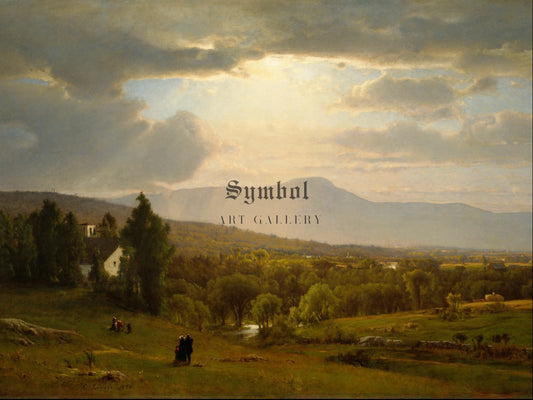
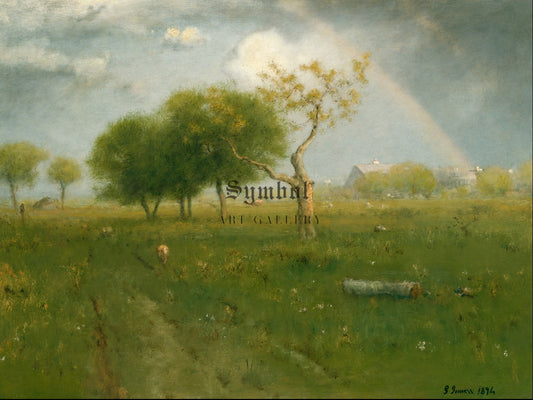
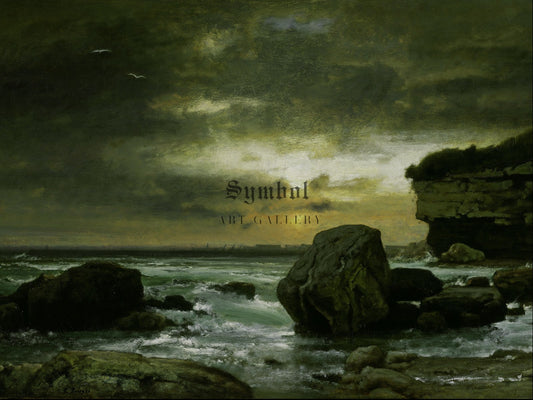
Tonalism was an American landscape painting movement that ran from approximately 1880 to 1915, in close parallel to French Impressionism but with a quite different palette. Where Impressionism pursued bright unmixed colour, Tonalism kept to a narrow range of grey, green, and warm earth tones, treating dusk, mist, and overcast weather as principal subjects. The term was adopted by American art critics in the late 1890s.
The principal figures were George Inness in his late period and James McNeill Whistler. Whistler's Nocturnes, painted along the Thames in the 1870s, gave the movement its most influential touchstone. Dwight William Tryon, Henry Ward Ranger, Alexander Helwig Wyant, John Henry Twachtman, and Albert Pinkham Ryder carried the idiom into the early twentieth century.
The movement absorbed the Barbizon School's emphasis on direct landscape observation and combined it with the moodier introspection of late Romanticism. Its decline coincided with the rise of American Impressionism and the early modernist movements after 1910. Tonalism later influenced the Color Field painters of the 1950s and the photographer Alfred Stieglitz.