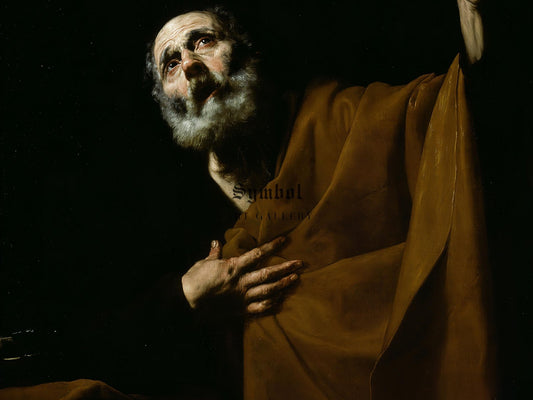
The Spanish Golden Age, the Siglo de Oro, covers Spanish art from approximately 1550 to the late seventeenth century. It coincides with the literary peak of Cervantes and Lope de Vega and produced a body of painting that joined Flemish and Italian influences to a distinctly austere Spanish religious and courtly culture. El Greco (1541–1614) bridged the period at its start, working a Mannerist Venetian idiom in Toledo.
Diego Velázquez (1599–1660) is the central figure of the seventeenth century, court painter to Philip IV in Madrid and author of Las Meninas, The Surrender of Breda, and a series of papal and royal portraits that set the European standard for unguarded observation. Francisco de Zurbarán (1598–1664) supplied the Counter-Reformation monasteries with monumental religious painting in a stark tenebrist idiom. Jusepe de Ribera (1591–1652) worked between Spain and Spanish Naples in a similar register. Bartolomé Esteban Murillo (1617–1682) carried the manner into a softer, popular register that travelled widely beyond Spain. Francisco Ribalta and Juan de Valdés Leal extended the period's religious painting.