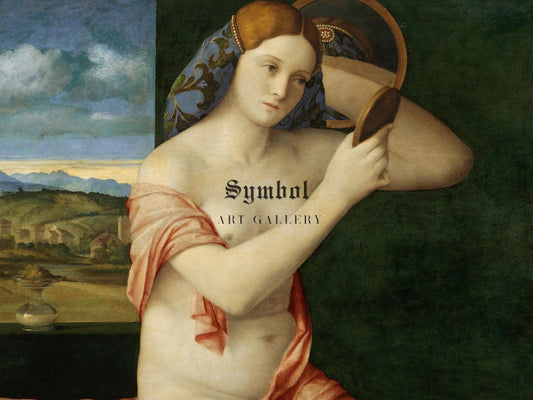
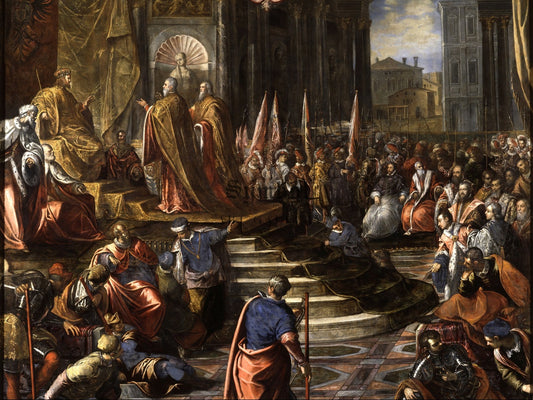
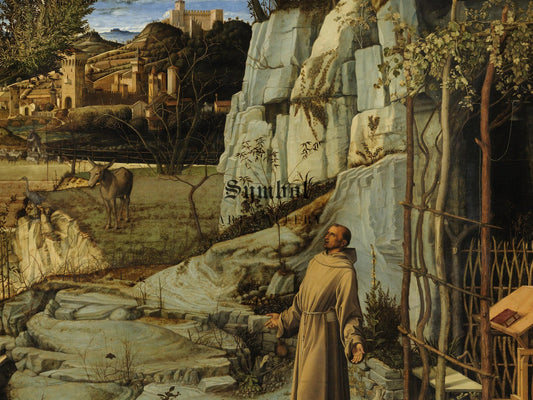
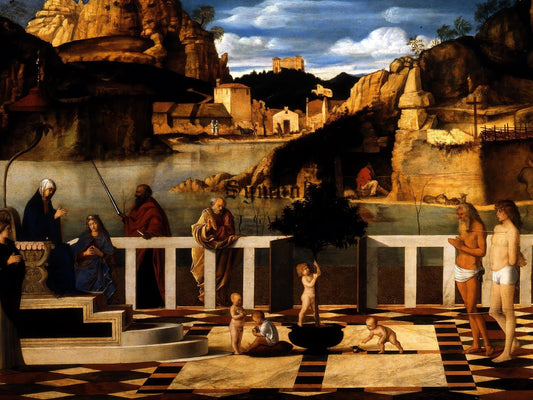
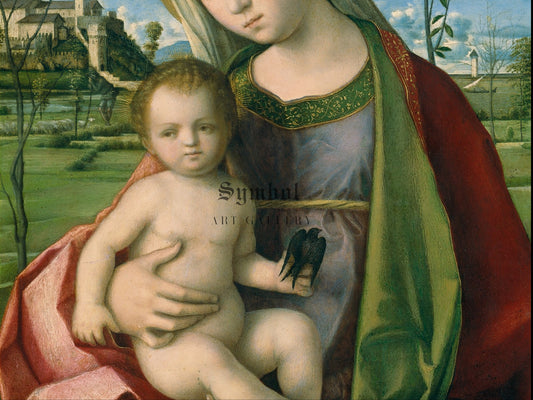
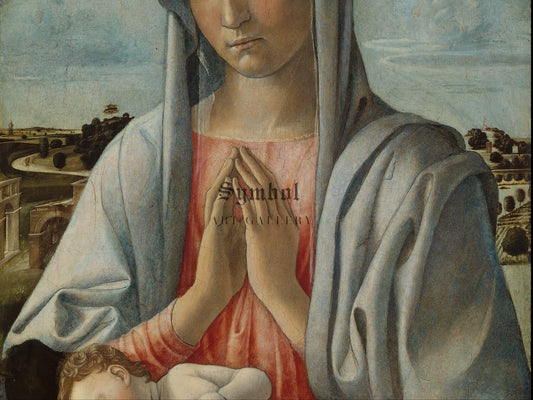
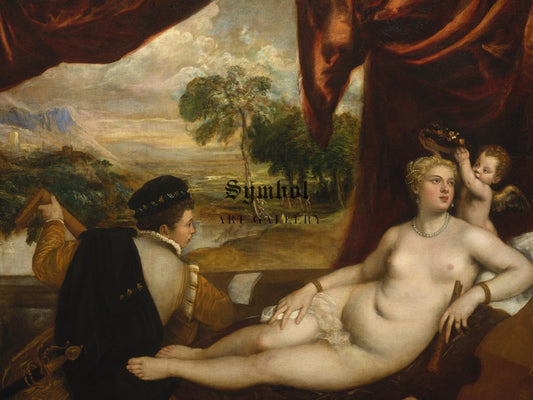
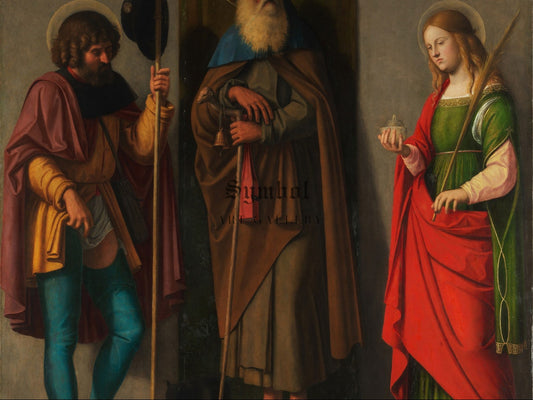
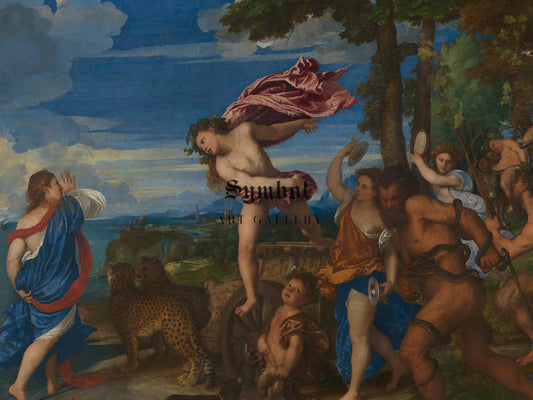
The Venetian Renaissance flourished between approximately 1480 and 1580, on a different schedule from the Florentine and Roman branches. Where central Italy treated drawing and architectural structure as the foundation of painting, Venice made colour and atmospheric handling its central concern. The city's particular conditions, light, water, and a wealthy patriciate that valued domestic painting alongside altarpiece commission, supported a continuous workshop production that the rest of Italy did not match.
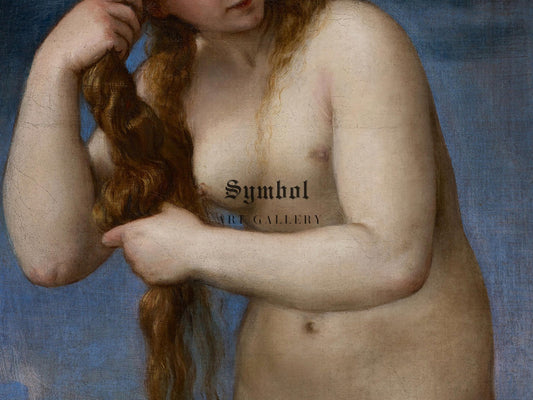
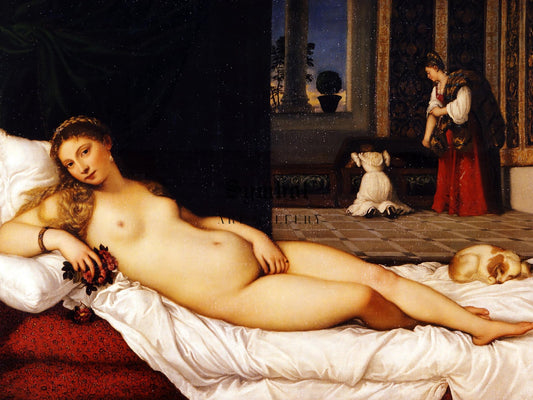
Giovanni Bellini established the tradition in the late fifteenth century, with Giorgione and above all Titian bringing it to its high point. Titian's mythologies, portraits, and altarpieces became the reference for the colour wing of the Renaissance, studied by Rubens, Velázquez, and Delacroix in turn. Tintoretto and Paolo Veronese extended the idiom across the second half of the sixteenth century with great cycles of religious and mythological painting on a Venetian scale.