-
Rinaldo and Armida in Her Garden (1742)
Wall Art Print, Fine Art Reproduction, Museum Quality Decor, Poster24,99€ -
Armida Abandoned By Rinaldo (1742)
Wall Art Print, Fine Art Reproduction, Museum Quality Decor, Poster24,99€ -
View of the Grand Canal (1743)
Museum Quality Print, Classical art home Deco Wall art Poster Housewarming Gift24,99€ -
View of Gaiola (1770)
Museum Quality Print, Classical art, home Deco Wall art Poster Housewarming art Gift24,99€ -
The Virgin with Angels (1900)
Museum Quality Oil Painting Print, Classical art, home Deco Wall art Poster, art Gift24,99€ -
The Meeting of Orestes and Hermione (1800)
Anne Louis Girodet de Roucy Trioson
Museum Quality Decor, Fine Art Reproduction, Wall Art Print24,99€ -
The Grand Canal, Venice (1760)
Museum Quality Oil Painting print, Classical Wall art home decor, Housewarming Art Gift24,99€ -
The Death of Socrates (1787)
Museum Quality Oil Painting print, home decor, Classical Art, Housewarming gift Poster24,99€ -
The Death of Marat (1793)
Museum Quality Oil Painting Print, Classical art, home Deco art Poster Housewarming art Gift24,99€ -
Pastoral Scene (1740)
Wall Art Print, Fine Art Reproduction, Museum Quality Decor, Poster24,99€ -
Napoleon in his study Painting (1812)
Museum Quality Oil Painting print home decor wall art, Elegant home decor Poster24,99€ -
Louis XV as a Child
After Hyacinthe Rigaud 1716, Art Print Museum Quality Oil Painting print, Classical Art, home Wall art Housewarming gift24,99€ -
The Nude Maja (1795)
Art Print, Museum Quality Oil Painting print home decor wall art Housewarming Home Gift Elegant Poster24,99€ -
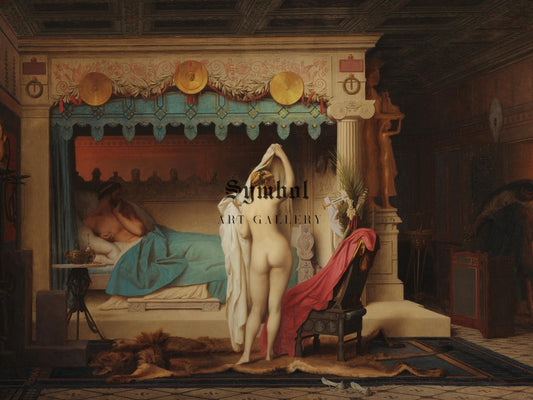
King Candaules (1859)
Museum Quality Print, Classical art home Deco Wall art Poster Housewarming Gift24,99€ -
Florinda (1853)
Museum Quality Oil Painting print, Classical Art, home decor Wall art, Housewarming gift Poster24,99€ -
Danae and the Shower of Gold (1787)
Museum Quality Print, Wall Art Home Deco Poster, Painting Canvas Art Gift24,99€ -
Boy on a Ram (1786)
Francisco Jose de Goya y Lucientes
Museum Quality Decor, Fine Art Reproduction, Wall Art Print, Poster29,99€ -
Ancient Rome (1757)
Museum Quality Oil Painting print, Classical Art, home decor Wall art, Housewarming gift Poster24,99€ -
A Party Picnicking Near a Village (1760)
Louis Nicolas van Blarenberghe
Wall Art Print, Fine Art Reproduction, Museum Quality Decor Poster24,99€