-
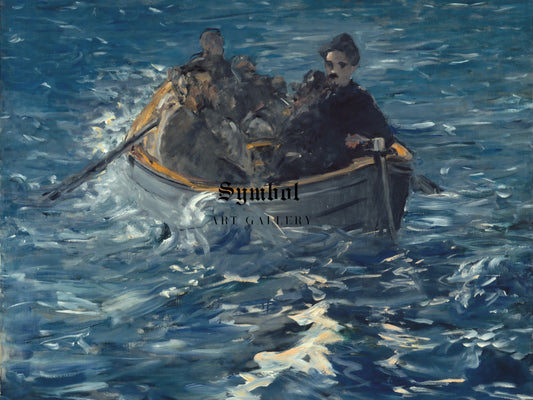
Rochefort's Escape (1881)
Wall Art Print, Fine Art Reproduction, Museum Quality Decor, Poster24,99€49,99€(50% off) -
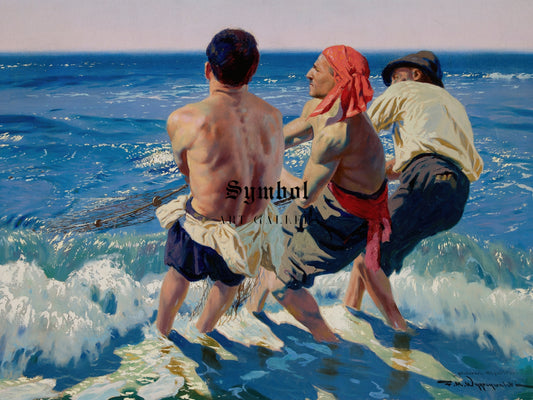
Neapolitan Fishermen (1915)
Wall Art Print, Fine Art Reproduction, Museum Quality Decor, Poster24,99€49,99€(50% off) -
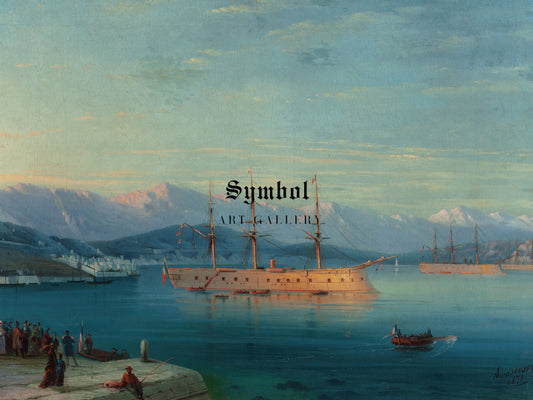
French Ships Departing the Black Sea (1871)
Ivan Konstantinovich Aivazovsky
Wall Art Print, Fine Art Reproduction, Museum Quality Decor24,99€49,99€(50% off) -
Tomorrow Morning (1929)
Wall Art Print, Fine Art Reproduction, Museum Quality Decor, Poster24,99€49,99€(50% off) -
Shipwreck Off the Coast (1855)
Wall Art Print, Fine Art Reproduction, Museum Quality Decor, Poster24,99€49,99€(50% off) -
Seascape with Sailboats (1925)
Wall Art Print, Fine Art Reproduction, Museum Quality Decor, Poster24,99€49,99€(50% off) -
Digue and Beach (1907)
Wall Art Print, Fine Art Reproduction, Museum Quality Decor, Poster24,99€49,99€(50% off) -
Life Saving Patrol (1893)
Wall Art Print, Fine Art Reproduction, Museum Quality Decor, Poster24,99€49,99€(50% off) -
Island Shipwreck
Wall Art Print, Fine Art Reproduction, Museum Quality Decor, Poster24,99€49,99€(50% off) -
Cattle on the Shore, Iona
Wall Art Print, Fine Art Reproduction, Museum Quality Decor, Poster24,99€49,99€(50% off) -
After the Storm (1816)
Wall Art Print, Fine Art Reproduction, Museum Quality Decor, Poster24,99€49,99€(50% off) -
Constantinople (1862)
Ivan Konstantinovich Aivazovsky
Wall Art Print, Fine Art Reproduction, Museum Quality Decor, Poster24,99€ -
View of Mount Vesuvius (1878)
Ivan Konstantinovich Aivazovsky
Wall Art Print, Fine Art Reproduction, Museum Quality Decor, Poster24,99€ -
Venice at Sunset (1873)
Ivan Konstantinovich Aivazovsky
Wall Art Print, Fine Art Reproduction, Museum Quality Decor, Poster24,99€ -
The Survivor
Ivan Konstantinovich Aivazovsky
Wall Art Print, Fine Art Reproduction, Museum Quality Decor, Poster24,99€ -
The Lifting Storm (1880)
Ivan Konstantinovich Aivazovsky
Wall Art Print, Fine Art Reproduction, Museum Quality Decor, Poster24,99€ -
The Death of Captain Cook
Wall Art Print, Fine Art Reproduction, Museum Quality Decor, Poster24,99€ -
The Brig Mercury in Moonlight (1874)
Ivan Konstantinovich Aivazovsky
Wall Art Print, Fine Art Reproduction, Museum Quality Decor, Poster24,99€ -
The Blowing Up of the Boyd (1889)
Louis John Steele and Kennett Watkins
Wall Art Print, Fine Art Reproduction, Museum Quality Decor24,99€ -
Sunset Over Yalta (1861)
Ivan Konstantinovich Aivazovsky
Wall Art Print, Fine Art Reproduction, Museum Quality Decor, Poster24,99€ -
Sunset Over Ischia (1857)
Ivan Konstantinovich Aivazovsky
Wall Art Print, Fine Art Reproduction, Museum Quality Decor, Poster24,99€ -
Sunset over Constantinople (1861)
Ivan Konstantinovich Aivazovsky
Wall Art Print, Fine Art Reproduction, Museum Quality Decor, Poster24,99€ -
Sinking Ship in Stormy Waters (1867)
Ivan Konstantinovich Aivazovsky
Wall Art Print, Fine Art Reproduction, Museum Quality Decor, Poster24,99€ -
Shipping in Moonlight (1853)
Ivan Konstantinovich Aivazovsky
Wall Art Print, Fine Art Reproduction, Museum Quality Decor, Poster24,99€ -
Ship By the Shore (1861)
Ivan Konstantinovich Aivazovsky
Wall Art Print, Fine Art Reproduction, Museum Quality Decor, Poster24,99€ -
Seascape
Ivan Konstantinovich Aivazovsky
Wall Art Print, Fine Art Reproduction, Museum Quality Decor, Poster24,99€ -
Sailors Coming Ashore (1897)
Ivan Konstantinovich Aivazovsky
Wall Art Print, Fine Art Reproduction, Museum Quality Decor, Poster24,99€ -
Night at Gurzuf (1891)
Ivan Konstantinovich Aivazovsky
Wall Art Print, Fine Art Reproduction, Museum Quality Decor, Poster24,99€ -
Moonrise Over the Golden Horn (1886)
Ivan Konstantinovich Aivazovsky
Wall Art Print, Fine Art Reproduction, Museum Quality Decor, Poster24,99€ -
In the Roads, Evening (1867)
Ivan Konstantinovich Aivazovsky
Wall Art Print, Fine Art Reproduction, Museum Quality Decor, Poster24,99€ -
Harbor with Ships (1858)
Ivan Konstantinovich Aivazovsky
Wall Art Print, Fine Art Reproduction, Museum Quality Decor, Poster24,99€ -
Genoese Towers in the Black Sea (1895)
Ivan Konstantinovich Aivazovsky
Wall Art Print, Fine Art Reproduction, Museum Quality Decor, Poster24,99€ -
Gathering Storm (1899)
Ivan Konstantinovich Aivazovsky
Wall Art Print, Fine Art Reproduction, Museum Quality Decor, Poster24,99€ -
Fishermen at Dawn, Naples (1843)
Ivan Konstantinovich Aivazovsky
Wall Art Print, Fine Art Reproduction, Museum Quality Decor, Poster24,99€ -
Two Ships at Sea (1863)
Ivan Konstantinovich Aivazovsky
Wall Art Print, Fine Art Reproduction, Museum Quality Decor, Poster24,99€ -
Calm Seas
Ivan Konstantinovich Aivazovsky
Wall Art Print, Fine Art Reproduction, Museum Quality Decor, Poster24,99€ -
The Port of Pasajes (1853)
Wall Art Print, Fine Art Reproduction, Museum Quality Decor, Poster24,99€ -
The Blockade Station Rye (1850)
Wall Art Print, Fine Art Reproduction, Museum Quality Decor, Poster24,99€ -
The Start of the Hunt
Wall Art Print, Fine Art Reproduction, Museum Quality Decor, Poster24,99€ -
The Corvette Najaden Under Sail (1833)
Christoffer Wilhelm Eckersberg
Wall Art Print, Fine Art Reproduction, Museum Quality Decor, Poster24,99€